





related contents
-

Seminário Interno da Roda reúne equipe, compartilha práticas e destaca atuação na Amazônia
Educação que Protege, alfabetização, educação para as relações étnico-raciais, juventudes e lançamento do livro “Gestão” foram alguns dos destaques
-
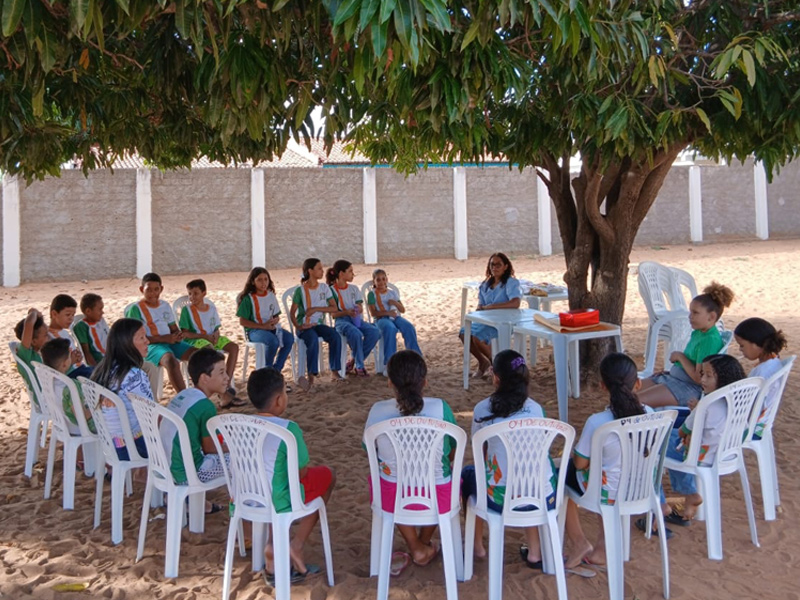
Programa de Educação AXIA Energia aposta na escuta como base do planejamento de ações na escola
Iniciativa que ocorre em dez municípios do Nordeste fomenta práticas que envolvem toda a comunidade escolar
-
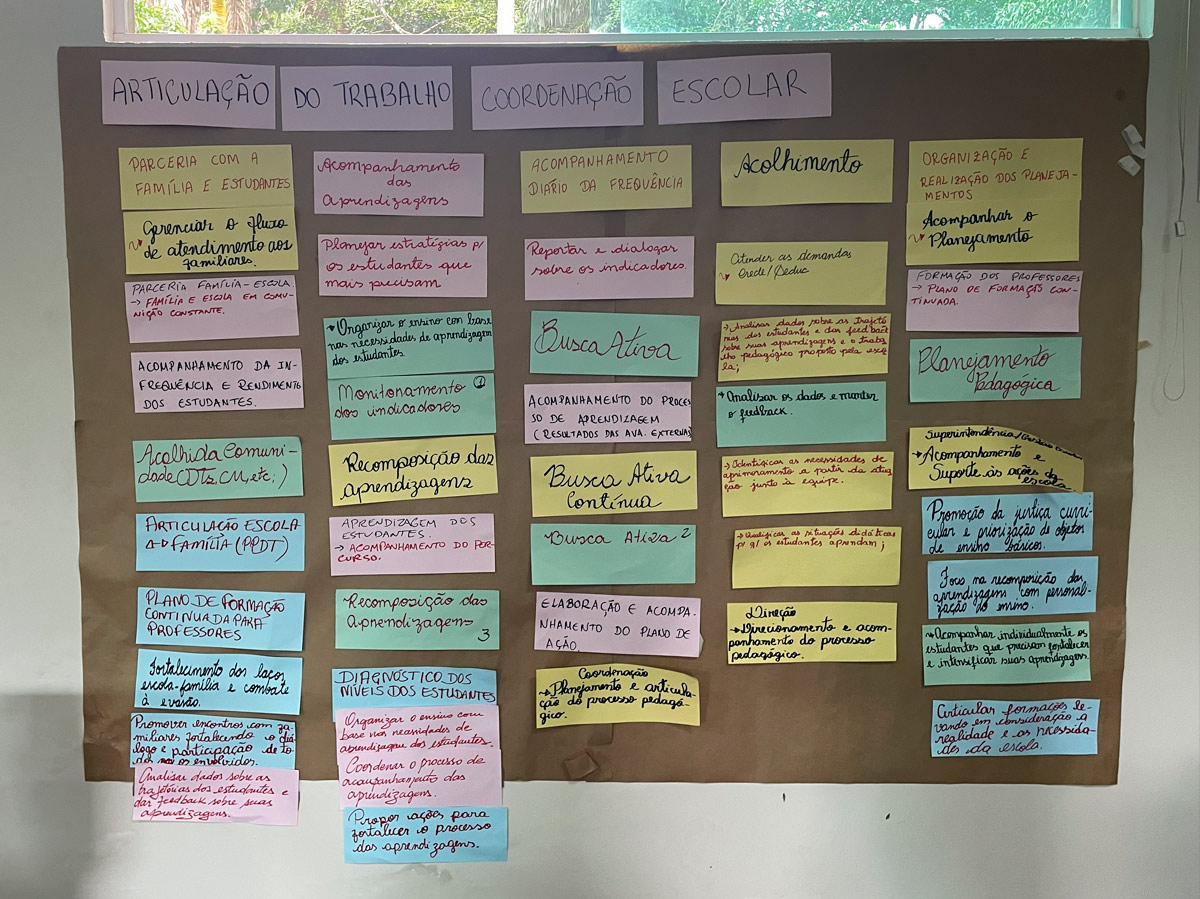
Jornada de Desenvolvimento Profissional Docente
Atuação da Roda na nova parceria com o Instituto Unibanco acontece com coordenadoras/es escolares do Ensino Médio e visa contribuir para o aprimoramento do papel desses profissionais como formadoras/es de professoras/es
-
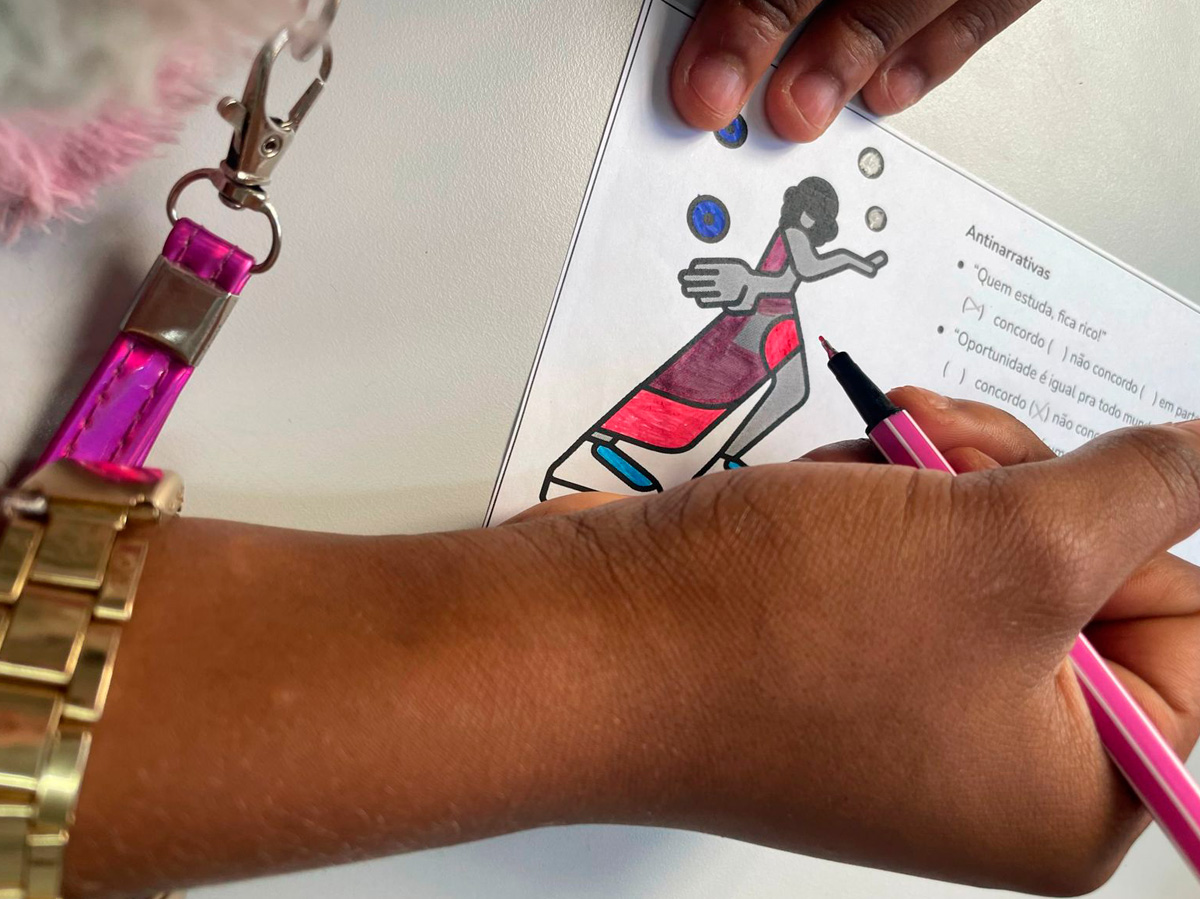
1 Milhão de Oportunidades – 1MiO
Promoção de uma transição positiva entre a escola e o mundo do trabalho considerando o direito de adolescentes, jovens e pessoas adultas à participação cidadã e à preparação para a inserção profissional
-

A institucionalização da biblioteca de classe como direito à literatura e alfabetização
Relato apresentado no VII CONBAlf compartilha uma experiência de formação continuada realizada em um município do Rio de Janeiro no contexto do Projeto Trilhos da Alfabetização
-
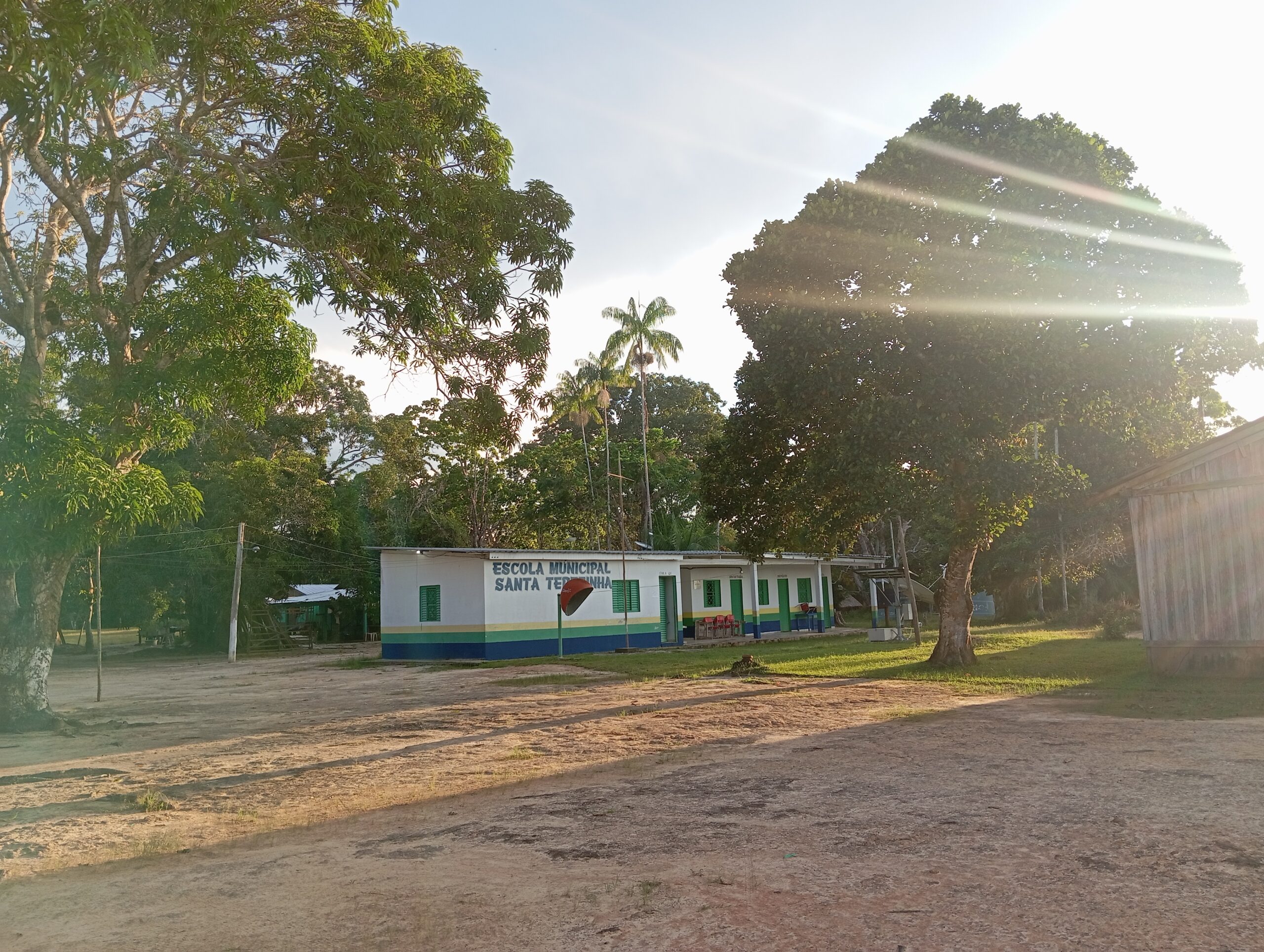
Yepewasu: Educação Integral em Territórios do Rio Negro
Projeto promove formação para profissionais dos anos finais do Ensino Fundamental e fortalecimento da cultura e da educação escolar indígena
Quais dados pessoais coletamos e por quê
Formulário de contato
Com o seu contato, a Roda Educativa poderá enviar e-mails sobre as ações da instituição. É possível cancelar o recebimento desses e- mails a qualquer momento.
Cookies
Se você tem uma conta e acessa este site, um cookie temporário será criado para determinar se seu navegador aceita cookies. Ele não contém nenhum dado pessoal e será descartado quando você fechar seu navegador. Quando você acessa sua conta no site, também criamos vários cookies para salvar os dados da sua conta e suas escolhas de exibição de tela. Cookies de login são mantidos por dois dias e cookies de opções de tela por um ano. Se você selecionar “Lembrar-me”, seu acesso será mantido por duas semanas. Se você se desconectar da sua conta, os cookies de login serão removidos.
Mídia incorporada de outros sites
Artigos neste site podem incluir conteúdo incorporado como, por exemplo, vídeos, imagens, artigos etc. Conteúdos incorporados de outros sites se comportam exatamente da mesma forma como se o visitante estivesse visitando o outro site.
Estes sites podem coletar dados sobre você, usar cookies, incorporar rastreamento adicional de terceiros e monitorar sua interação com este conteúdo incorporado, incluindo sua interação com o conteúdo incorporado se você tem uma conta e está conectado com o site.